Exhibition Review|Hangke Instrument’ Successful Conclusion of Shenzhen Trip See You at IICIE in September
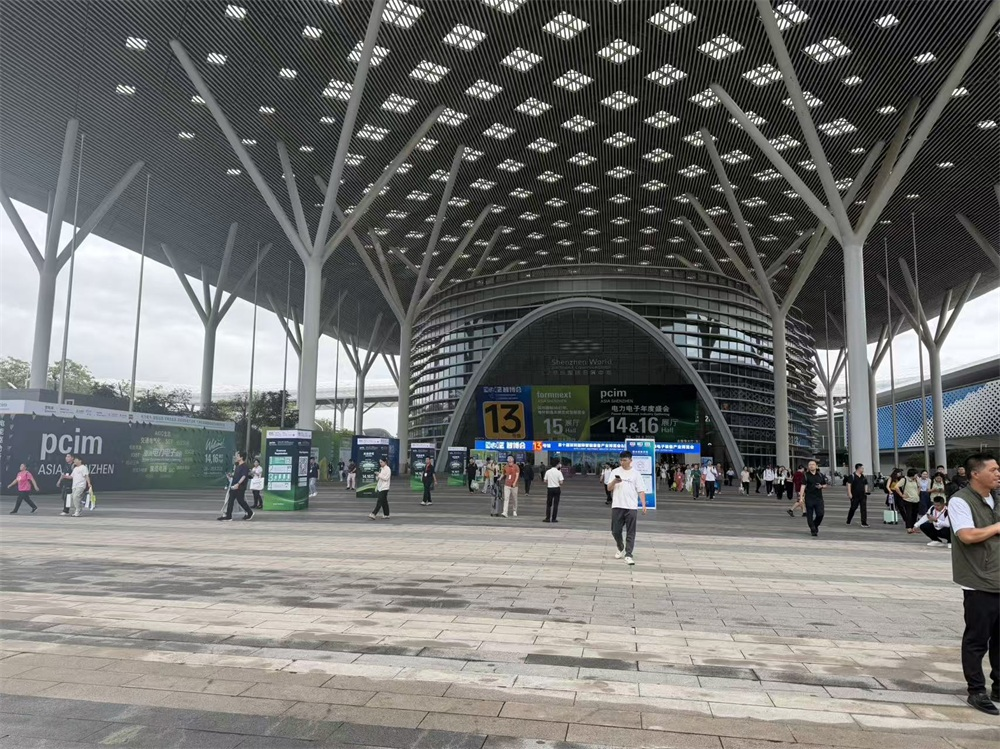
From August 26 to 28, PCIM Asia 2026 International Exhibition for Power Components and Renewable Energy Management was grandly held at Shenzhen World Exhibition & Convention Center (Bao’an New Hall). This edition gathered 271 exhibitors and hosted 131 concurrent seminars. Three special themed zones covering AI Power Ecosystem, Electrified Transportation and Renewable Energy were specially arranged, serving as an ideal window to gauge industry trends.
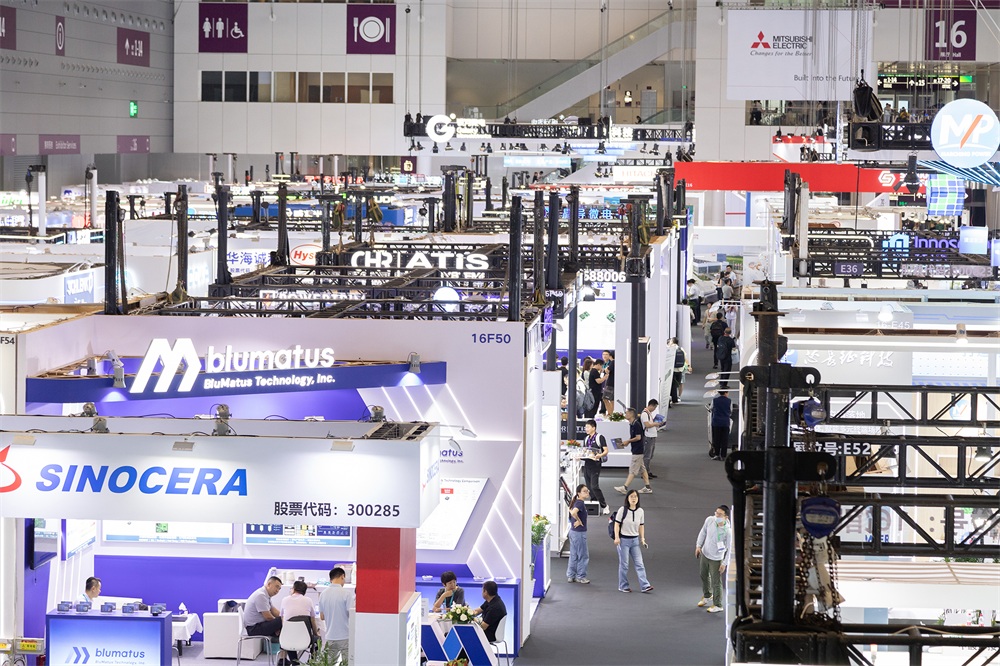
Zhejiang Hangke Instrument Co., Ltd. made its scheduled appearance at Booth F40 on the main aisle of Hall 16. Bringing its full-range reliability test solutions for power semiconductors, the company joined global peers for this annual industry gathering.
Spotlight · ATiS on the Main Aisle
At the 42-square meter booth along the main aisle, the slogan “Focus on Power Semiconductor Reliability Testing” stood out prominently. The exhibition area featured clearly-zoned exhibits and smooth visitor flow, enabling passing attendees to quickly locate the reliability test solutions they were interested in.
From HTRB to power cycling, dynamic burn‑in to MLCC reliability testing — Hangke Instrument brought a complete set of “device reliability verification methodology” to the show floor.
Line-up · Full-range Exhibits Assembled, New Product Premiere
At this exhibition, Hangke Instrument presented an impressive product line-up: PC power cycling test equipment, DHTRB dynamic test equipment, 1U/2U special power supplies, as well as seven types of driver boards, covering core segments of power semiconductor reliability testing. Two flagship units ran live demonstrations throughout the show, with technical specialists on-site ready to explain test principles and process details. “See, touch and get thorough answers” represents Hangke Instrument’ consistent approach to on-site communication.
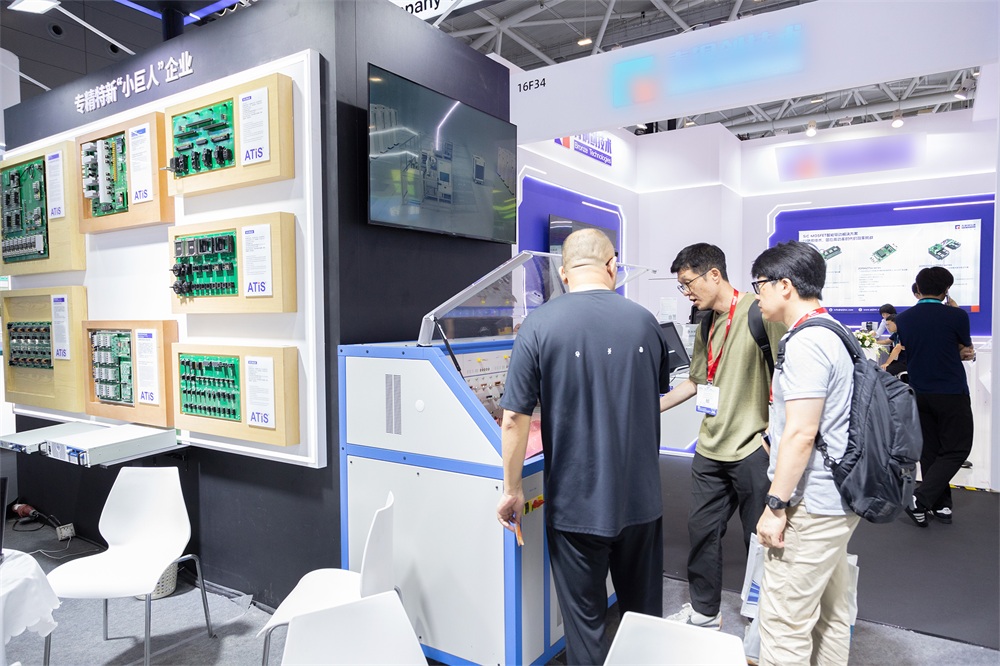
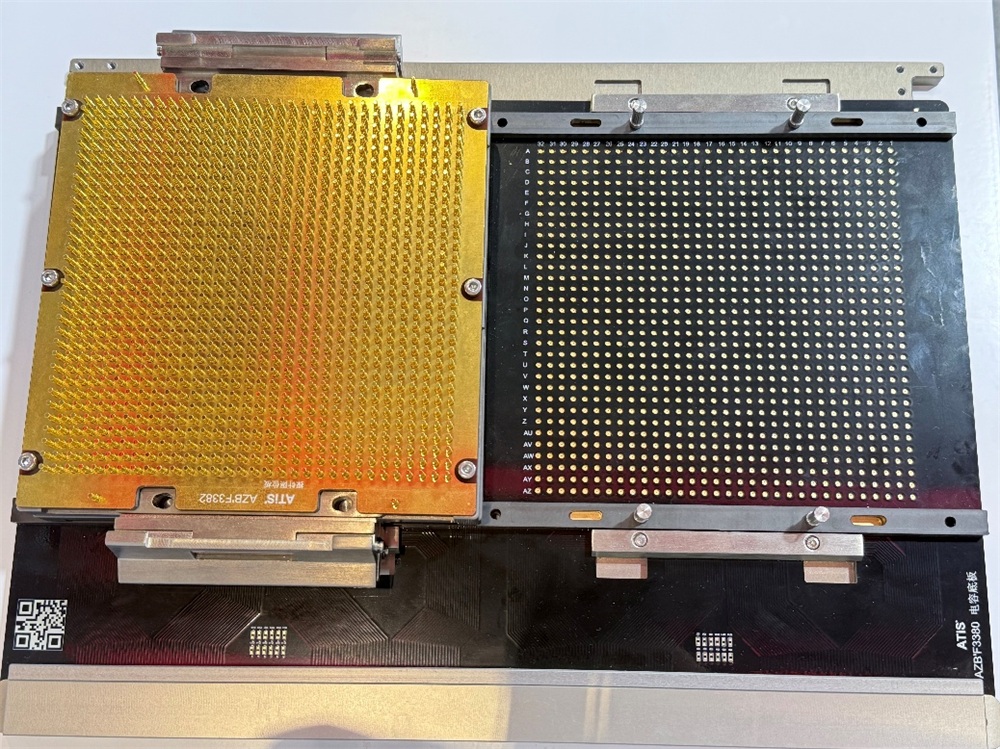
Highlight of Premiere: First Public Debut of MLCC Burn-in Board
As a “newcomer” at this exhibition, the self-developed MLCC burn-in board by Hangke Instrument features neat design and sophisticated layout. Upon its unveiling, it drew many professional attendees to stop for close observation and received wide acclaim. Against the backdrop of expanding automotive-grade MLCC market, efficient and reliable mass burn-in test solutions are becoming an imperative requirement for a growing number of customers.
On-site Highlights · Sustained Crowd Appeal, Dynamic Equipment Takes the Spotlight
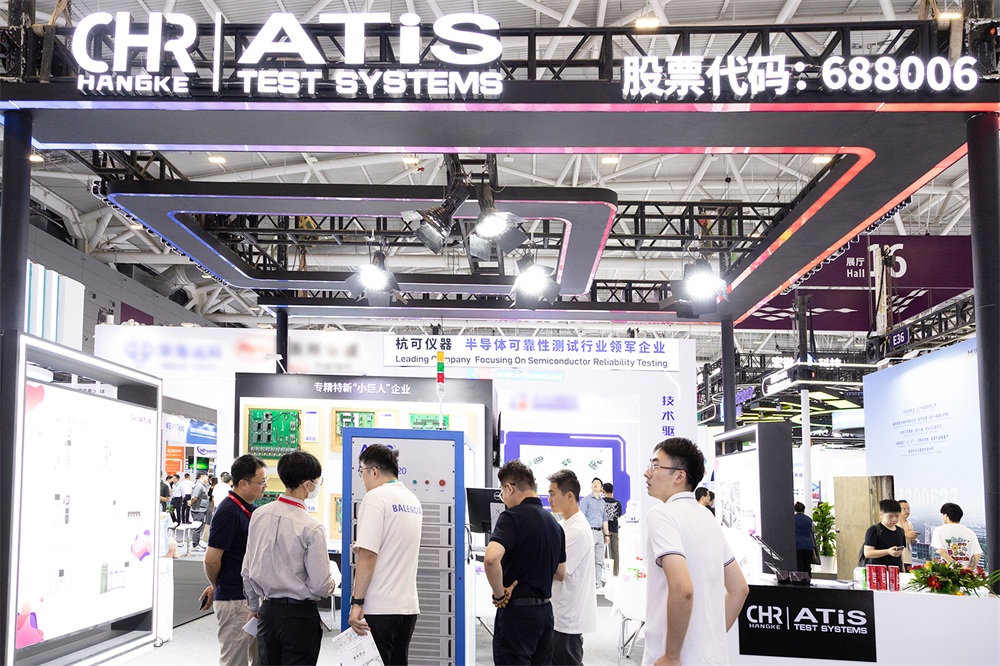
Booth F40 maintained steady visitor flow over the first two days of the exhibition. Attendees kept coming for consultations, technical discussions and photos, with more than one hundred copies of product brochures distributed. Despite typhoon-induced rainfall on the third day, professional visitors still showed great enthusiasm for our booth.
Dynamic-series equipment stood out as the major focus during on-site inquiries. Customers flocked to learn about DHTRB dynamic test equipment principles, test efficiency and reliability verification solutions, while our technical specialists responded non-stop. Market attention toward dynamic reliability testing has exceeded our expectations.
Insights · Three Industry Trends Observed at PCIM
Three-day on-site exchanges offered a concentrated snapshot of industry dynamics. From the show floor, Hangke Instrument clearly perceived that power semiconductors, together with downstream applications such as new energy and data centers, are accelerating in tandem. Reliability verification is rapidly evolving from a past “compliance-oriented test” into a “mass-production necessity”.
• Accelerated Adoption of 800V Platforms, Surging SiC Device Volume and Rising Verification Barriers
The penetration of high-voltage platforms in new-energy vehicles has exceeded expectations. The rapid roll-out of 800V and even higher-voltage architectures has driven sustained demand growth for wide-bandgap devices such as SiC MOSFETs and SiC diodes. Meanwhile, OEMs and Tier 1 suppliers are tightening requirements for device reliability. Traditional verification approaches focusing on static parameters and conventional environmental tests can no longer cover the combined impacts of electrical, thermal and switching stresses under real‑world operating conditions. Especially with the accelerated adoption of SiC devices in core segments including electric drives, OBC and DC/DC converters, standards for automotive-grade qualification, mass-production sampling inspection and batch consistency verification are continuously rising.
• AI Data Centers Shift toward 800V HVDC Architecture: New Challenges for Power-Chain Verification
As AI computing power density keeps rising, data-center power supply architectures are evolving from conventional 48V and 400V systems toward 800V HVDC. Higher bus voltage brings lower transmission loss and improved power-supply efficiency, yet it imposes brand-new requirements on power devices, passive components, insulation and protection design within the power chain. Under the 800V HVDC architecture, device selection can no longer rely merely on single indicators such as voltage withstand or efficiency. Comprehensive evaluation of long-term DC stress, transient over-voltage, thermal cycling and system-level reliability has become essential. Verification dimensions for power chains are expanding rapidly, emerging as a new focal point across the industry.
• SiC Dynamic Reliability Testing Becomes a New Must-have; High-voltage Trend Drives Upgraded Testing Requirements
Judging from on-site communications, SiC dynamic reliability testing, particularly DHTRB and DGS, is evolving from laboratory-based research into a mandatory item for mass-production validation. Compared with conventional static reverse bias and static gate bias tests, dynamic testing better replicates real-world device switching conditions, and can effectively reveal issues such as threshold-voltage drift, body-diode degradation and interface-state deterioration. As the high-voltage trend for devices accelerates, test requirements for higher voltage classes keep emerging, placing stricter demands on test equipment in terms of voltage range, dynamic control precision and long-term stability. Meanwhile, 800V platforms and high-frequency applications have significantly boosted the adoption of automotive-grade MLCCs, bringing fast-growing demands for high-temperature burn-in capacity, voltage ratings and parallel-test efficiency.
Trends are unfolding and requirements are evolving. Hangke Instrument’ product portfolio for dynamic testing and reliability verification is built precisely to address these changes. Ranging from device-level dynamic stress testing to module-level comprehensive reliability validation, Hank Instruments keeps upgrading product capabilities focusing on high-voltage, high-frequency and automotive-grade requirements, enabling customers to meet more stringent validation targets within shorter turnaround cycles.
Teamwork · Fighting as One, Full Commitment to Every Visitor Engagement
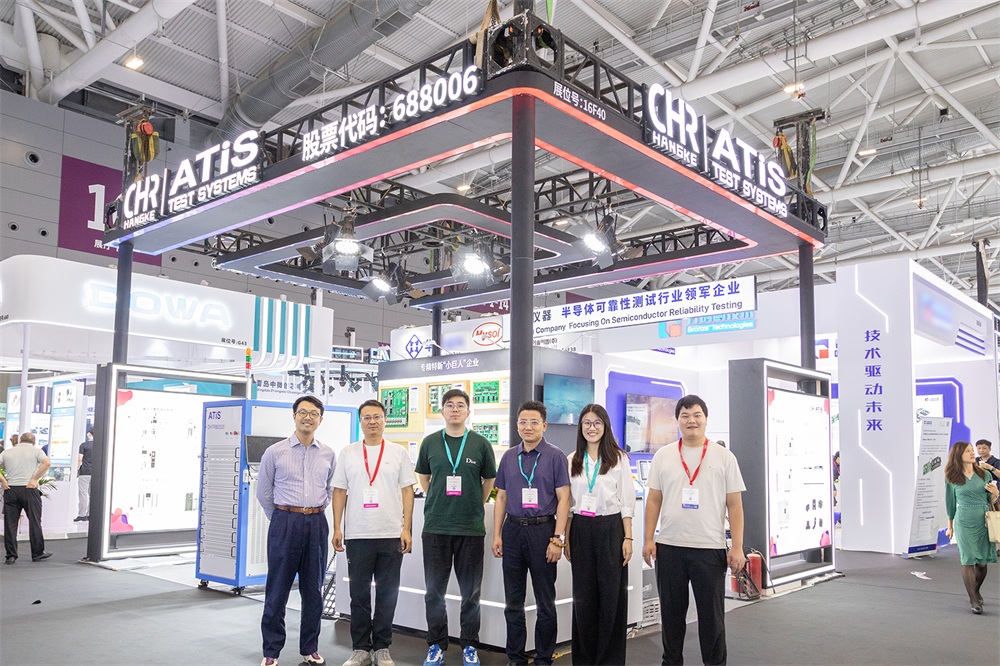
Led by the company’s General Manager, cross-functional teams covering marketing, engineering, pre-sales and after-sales worked in synergy at this exhibition. From on-site reception and product briefings to technical solution consultations, from business-card exchanges to follow-up visit arrangements, the team served every visiting customer with professionalism and enthusiasm.
Over the three-day event, every handshake and every round of discussion deepened mutual trust between Hangke Instrument and its customers. Gratitude goes to everyone who stopped by Booth F40!
Next Stop · See You Again in Shenzhen
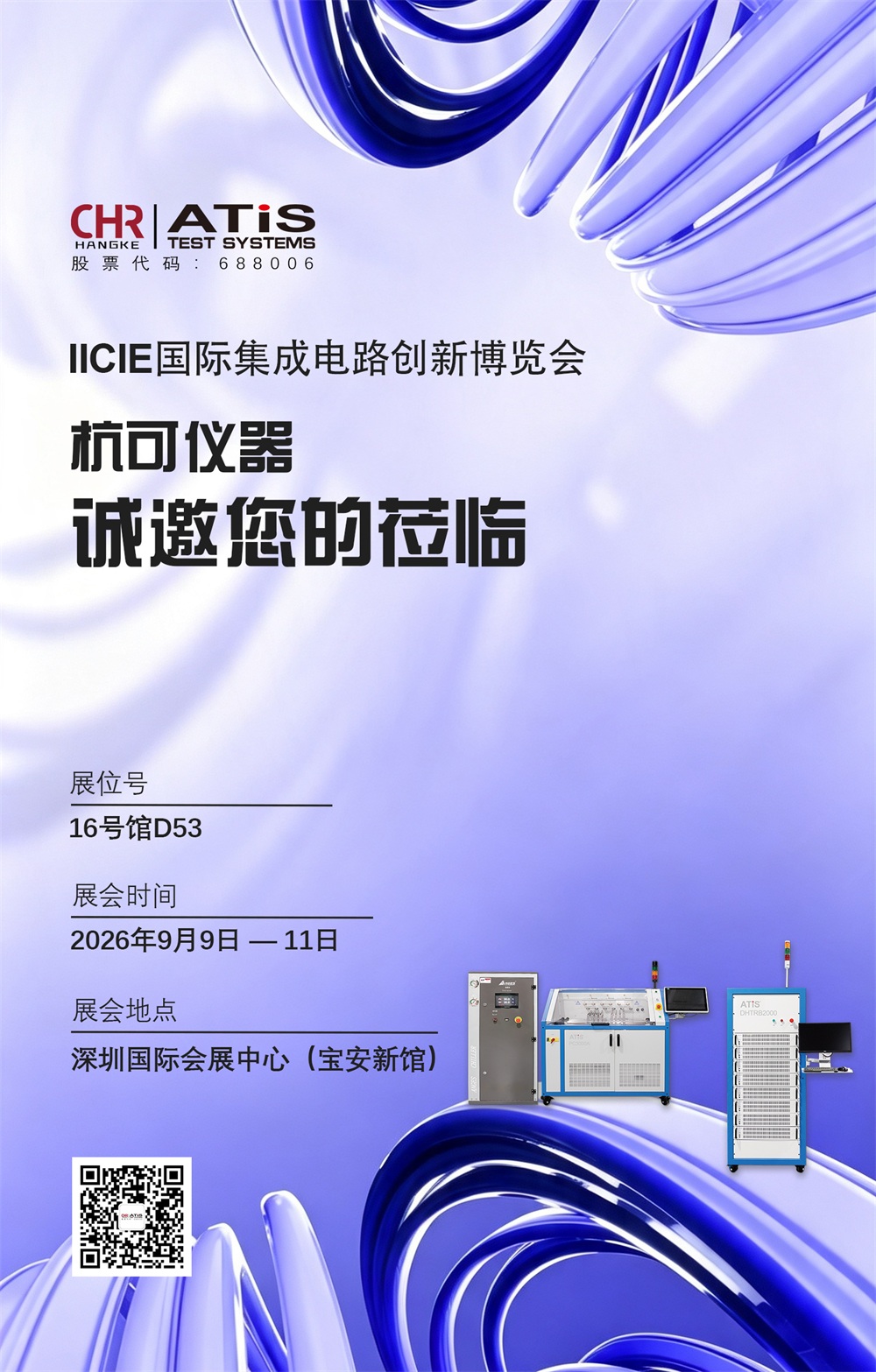
September 9-11 · IICIE Semiconductor Exhibition
Hangke Instrument will return with a 36 sqm. booth.
If you missed us at PCIM Asia, you are warmly welcome to visit us at IICIE for in-depth discussions!