
Zhejiang HangKe Instruments Shines at electronica China Shanghai
The 2026 electronica China grandly opened at Shanghai New International Expo Centre on July 1. Boasting a 120,000 sq.m exhibition area, over 1,800 exhibitors and more than 70,000 professional visitors, the event speaks volumes on its own. It serves not only as the annual bellwether of Asia’s electronics industry, but also a grand showcase of the entire global industrial chain covering upstream and downstream players.
Every booth buzzes with technological transformation and industrial restructuring momentum, ranging from SiC power devices and automotive-grade MLCCs to the wave of domestic substitution and new demands driven by AI computing power.
Amid this industry upsurge, one enterprise stands out prominently — Zhejiang HangKe Instruments Co., Ltd.
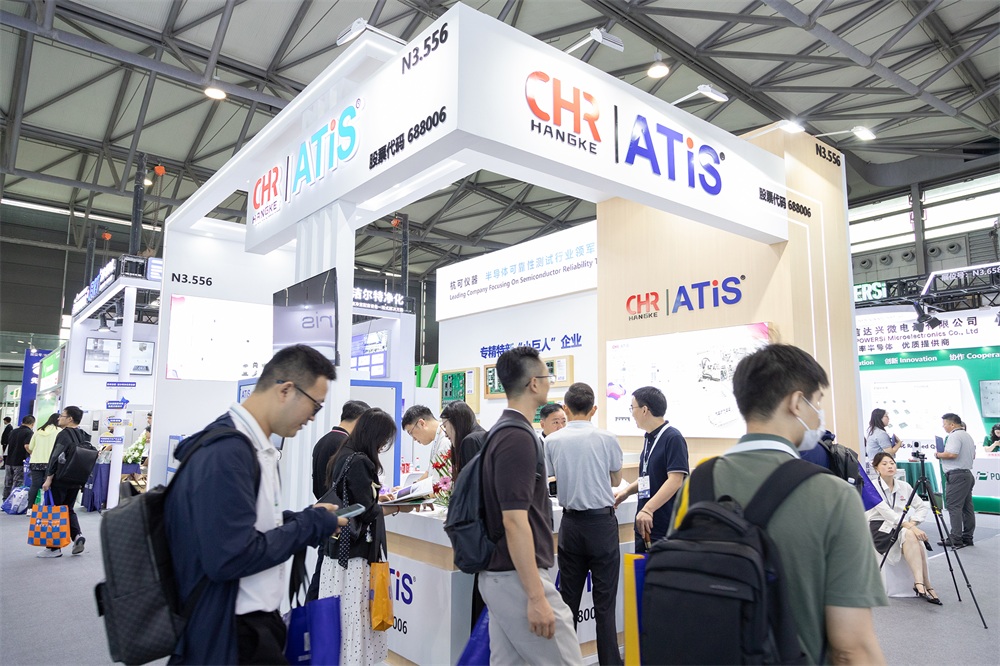
Stepping into the exhibition hall, we made a discovery that fills us with immense pride:
Walk around all the high-traffic zones, and you will find that the flagship booths of leading enterprises that take center stage and draw the largest crowds — whether international giants and domestic emerging players in the SiC power device zone, or domestic industry leaders in the MLCC zone — are nearly all clients or partners of HangKe Instrument’s. Every chip and capacitor displayed at their booths relies on testing equipment manufactured by HangKe Instrument’s.
Below is our in-depth on-site report from the exhibition, offering you insights into the market landscape as well as ATiS HangKe Instruments’ extensive client portfolio.
I. SiC Track: Full Market Penetration, a Critical Inflection Point for Reliability Testing of Power Devices
Domestic SiC enterprises showcased full industrial chain products of silicon carbide wafers at the exhibition, presenting a complete technological roadmap for third-generation semiconductors spanning ingots, substrates, epitaxial layers, chips and finished devices.

1.1 Data Speaks for Itself: The SiC Market Enters a Golden Growth Phase
Stepping into the exhibition hall, the third-generation semiconductor zone stands out as one of the most crowded areas. Booths are filled with core components including SiC MOSFETs, diodes and IGBTs.
Behind this bustling scene lies a market experiencing exponential growth.
Industry statistics show that the global SiC power device market reached approximately USD 6.699 billion in 2025, and is projected to soar to USD 25.04 billion by 2032, representing a compound annual growth rate (CAGR) of as high as 21%. Amid overall headwinds across the global semiconductor sector, the SiC track undoubtedly shines as the brightest star.
What fuels this explosive growth? The drivers are clear: AI data centers and new energy vehicles (NEVs).
In 2025, NEVs accounted for 74.4% of SiC applications, ranking as the largest downstream market by a wide margin. Notably, the penetration rate of 800V high-voltage platforms hit 76% in 2025, while SiC MOSFETs made up 18% of main drive modules for electric vehicles — meaning roughly one in every five NEV main drive modules is equipped with SiC devices.
Meanwhile, 8-inch SiC wafers entered mass production for the first time in 2025, which is expected to slash substrate costs significantly. SiC devices are therefore shifting from premium optional components to mainstream standard configurations.
1.2 Dedicated Forum: The Third-Generation Semiconductor Technology Forum Delivers In-Depth Insights
The concurrent Third-Generation Semiconductor Technology Forum drew a full house. Centered on cutting-edge SiC and GaN technologies, the forum covered multiple dimensions including device design, manufacturing processes, packaging & testing, and reliability qualification.
Numerous industry experts pointed out that as SiC devices gain rapid penetration in key sectors such as new energy vehicles, photovoltaic inverters and energy storage systems, reliability verification has become a bottleneck in the industrial chain. Automotive-grade certification in particular leaves no room for error, as every test item bears direct relevance to vehicle safety.
1.3 ATiS HangKe’s Core Competitive Edge: Power Cycling Test Systems — A Mandatory Test for Automotive-Grade SiC
At this point, it is essential to introduce HangKe Instrument’s flagship product: the IGBT/SiC Power Cycling Test System (PC Series).
Power cycling is a mandatory test item for automotive-grade SiC module certification under the AQG-324 standard, and is widely recognized as the reliability test method that best replicates real operating conditions. By simulating temperature fluctuations devices undergo during actual operation, power cycling testing enables accurate evaluation of component lifespan and failure modes.
As Zhejiang Province’s first set of major technical equipment, HangKe Instrument’s PC Series power cycling test systems hold over 60% domestic market share. The system supports the following capabilities:
• Dual-mode power cycling: second-level and minute-level cycles
• Multi-channel parallel testing for drastically improved efficiency
• Real-time monitoring of critical parameters such as junction temperature, thermal resistance and saturation voltage drop
• Compliance with international automotive standards including AQG-324 and JESD 51
Technical staff at the booth commented: “The boom in the SiC device market has brought surging demand for power cycling test systems. Especially after the mass production of 8-inch SiC wafers, requirements for device reliability verification will surge exponentially. At present, HangKe Instrument’s power cycling test systems are widely deployed in production lines and laboratories of leading domestic and international SiC manufacturers including Rohm, Huawei, Unic, StarSem, Silan Microelectronics and Founder Micro, delivering core testing capabilities to support their automotive-grade certifications.”
It is fair to say that on this high-growth SiC track, HangKe Instrument’s power cycling test systems act as an indispensable quality gatekeeper across the industrial chain.
II. MLCC Landscape: Driven by Dual Forces of Price Hikes and Domestic Substitution, High-Temperature Reliability Testing Takes Center Stage
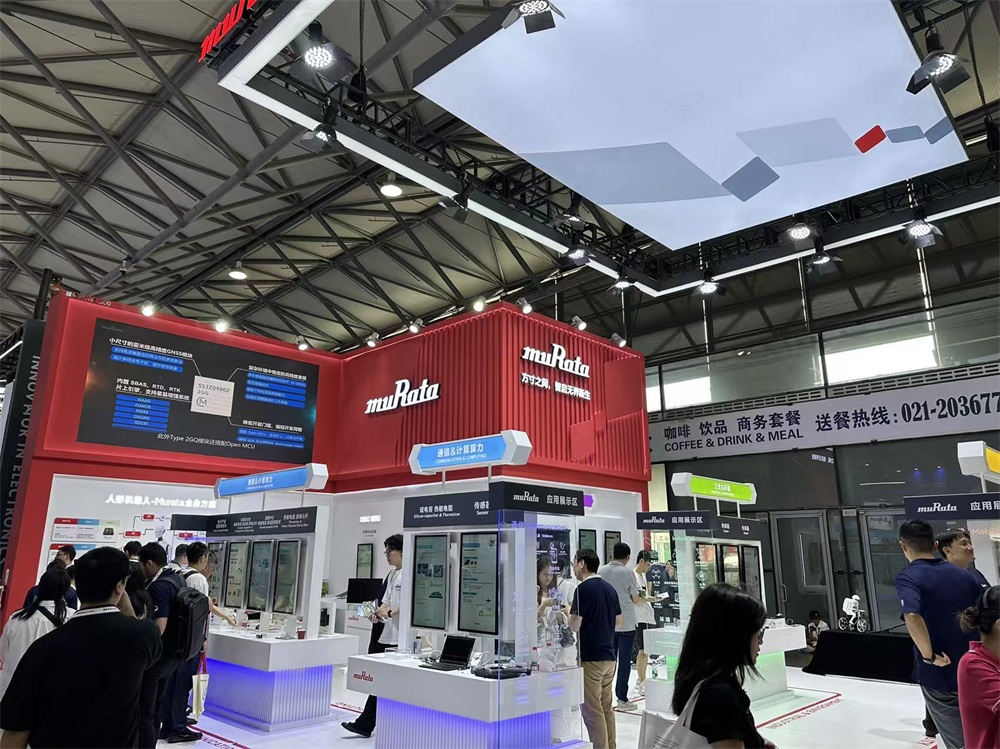
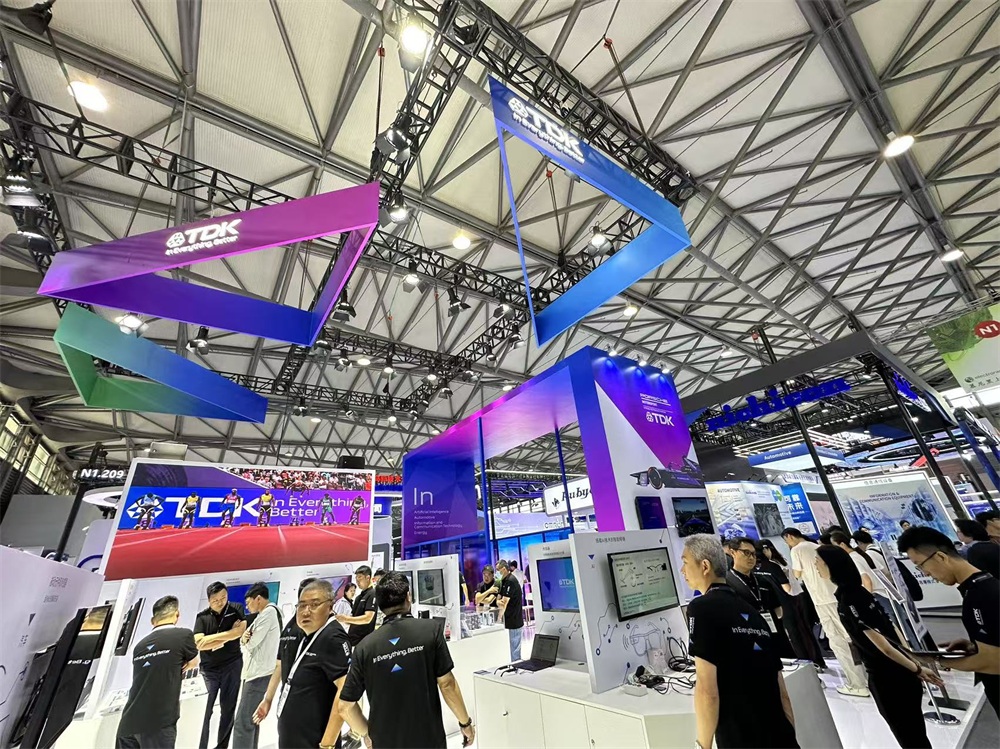
Overview of the full MLCC industrial chain: Leading global and domestic manufacturers such as Taiyo Yuden, Murata, TDK, Fenghua Advanced Technology and Three-Circle Group are accelerating their expansion fueled by dual growth drivers of AI servers and new energy vehicles.
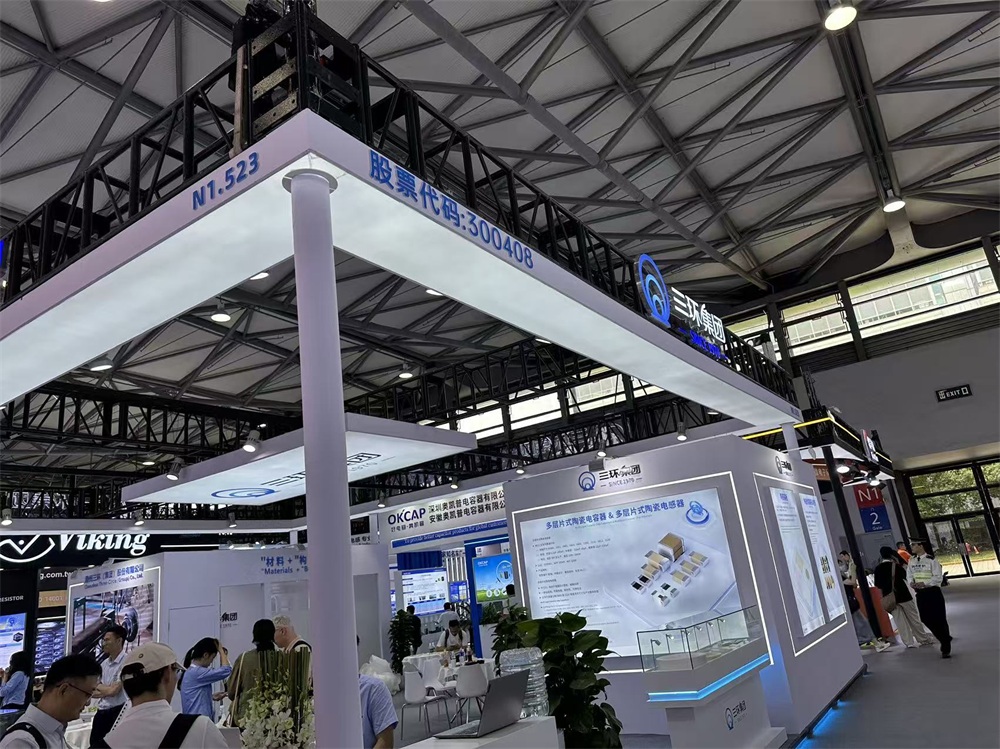
2.1 Dual Growth Drivers Shaping the Industry: Price Hikes & Domestic Substitution
The MLCC industry is being driven forward by two major forces — price surges and domestic substitution — throughout 2025 to 2026.
On the price hike front, buoyed by rising upstream raw material costs and surging demand from AI servers and new energy vehicles, leading MLCC manufacturers rolled out price increase notices one after another in 2025, with double-digit rises for certain product specifications.
In terms of domestic substitution, Japanese and Korean suppliers have proactively scaled back mid-to-low-end MLCC production capacity in recent years to concentrate resources on high-end segments. This strategic shift has opened up massive market room for domestic manufacturers. The global market share of home-grown MLCCs has climbed from 5%–8% to 10%–12%, with the upward momentum set to continue.
2.2 Spotlight on Leading Domestic Manufacturers: Fenghua Advanced Technology & Three-Circle Group
During the exhibition, we conducted in-depth visits to two domestic MLCC champions — Fenghua Advanced Technology and Three-Circle Group, both long-term core partners of HangKe Instrument.
Fenghua Advanced Technology stands as the undisputed domestic leader in MLCC production capacity and a key client of HangKe Instrument. Its production lines for automotive-grade MLCC reliability verification are equipped with multiple MKP Series high-temperature reliability test systems from HangKe Instrument.
Domestic MLCC manufacturers have moved past the stage of “can we produce the product” and now face the challenge of “can we produce premium-quality products”. Particularly for high-end categories such as automotive-grade and high-capacitance MLCCs, Chinese enterprises aim to match the quality benchmarks set by Murata and Samsung Electro-Mechanics. HangKe Instrument’s testing equipment forms a vital pillar of their quality assurance systems.
Three-Circle Group serves as a technological benchmark for domestic MLCC manufacturers and a strategic partner of HangKe Instrument. Customized high-temperature reliability testing solutions for its premium MLCC products are supplied by HangKe Instrument. Consistent professional support from HangKe Instrument in high-temperature burn-in testing is essential to guarantee the reliability of every single MLCC component.
These two standout leaders at the MLCC zone are front-runners in China’s domestic capacitor industry. From Fenghua Advanced Technology and Three-Circle Group to other domestic MLCC makers, HangKe Instrument’s reliability testing equipment stands alongside them at every step.
2.3 AI & New Energy Vehicles: Explosive Demand for High-End MLCCs
A clear industry trend emerged at the exhibition: AI computing power and new energy vehicles have become the two core growth engines for high-end MLCCs.
For AI servers, each unit consumes 3 to 5 times more MLCCs than traditional servers, with stronger demand for high-capacitance and high-withstand-voltage specifications. As global investment in AI computing infrastructure keeps expanding, the MLCC market is poised for another round of robust growth.
For new energy vehicles, the MLCC consumption per vehicle has jumped from 3,000 pieces in conventional fuel cars to 8,000–10,000 pieces. Modules for autonomous driving and three-electric systems generate exponentially rising demand for automotive-grade MLCCs.
2.4 Implications for HangKe Instrument: New Opportunities for High-Temperature Reliability Test Equipment
What does the booming MLCC market mean for HangKe Instrument? The answer lies in sustained growing demand for high-temperature reliability testing equipment.
Performance degradation and failure modes of MLCCs under high-temperature conditions are key bottlenecks restricting their penetration into high-end applications. Capacitor high-temperature reliability test systems (MKP Series) are core equipment for MLCC reliability qualification.
HangKe Instrument developed the MKP Series burn-in test systems specifically to address this demand, featuring the following capabilities:
• Massive parallel testing: thousands of components can be tested simultaneously on a single unit
• Precise temperature control, covering a range from ambient +10°C to +200°C
• Real-time online monitoring of critical parameters including leakage current and capacitance
• Full compliance with the AEC-Q200 reliability standard
“The wave of domestic MLCC substitution brings opportunities not only for component manufacturers but also for testing equipment suppliers. We maintain deep cooperation with multiple leading domestic MLCC makers to deliver customized reliability testing solutions,” said the company.
III. Industrial Development Logic: Three Interwoven Growth Tracks, HangKe Instrument at the Golden Intersection
3.1 Track 1: New Energy Vehicles → SiC Power Devices → Rising Demand for Reliability Test Equipment
Widespread adoption of new energy vehicles has generated massive demand for SiC power devices. To safely operate in vehicles for over 15 years, SiC components must pass stringent reliability assessments, including power cycling tests, high-temperature burn-in tests and HAST tests — all critical scenarios where testing equipment manufacturers deliver core value.
3.2 Track 2: AI Computing Boom → MLCC & Power Devices → Rising Demand for Reliability Test Equipment
The AI revolution ignited by ChatGPT continues to accelerate, driving vigorous global data center construction. The relentless pursuit of power efficiency in data centers fuels demand for SiC power devices and high-end MLCCs, whose reliability again hinges on testing equipment from HangKe Instrument.
3.3 Track 3: Accelerated Domestic Substitution → Closed-Loop Local Supply Chains → Rising Demand for Reliability Test Equipment
Against the backdrop of Sino-US technological competition, independent controllability of the semiconductor industrial chain has been elevated to a national strategic priority. The rise of domestic SiC devices and MLCCs inevitably requires matching domestic testing equipment. As a domestic pioneer in semiconductor reliability testing, HangKe Instrument’s stands at this historic golden intersection of opportunities.
The convergence of the three tracks underscores HangKe Instrument’s unique industrial value:
We may not occupy the most eye-catching segment of the industrial chain, yet we are one of its most indispensable links.
From SiC power modules and automotive-grade MLCCs to wafer-level and packaging-level reliability qualification — every chip must pass our testing “examination hall” before hitting the market.
IV. On-Site Coverage: Must-See Highlights at HangKe Instrument’s Booth
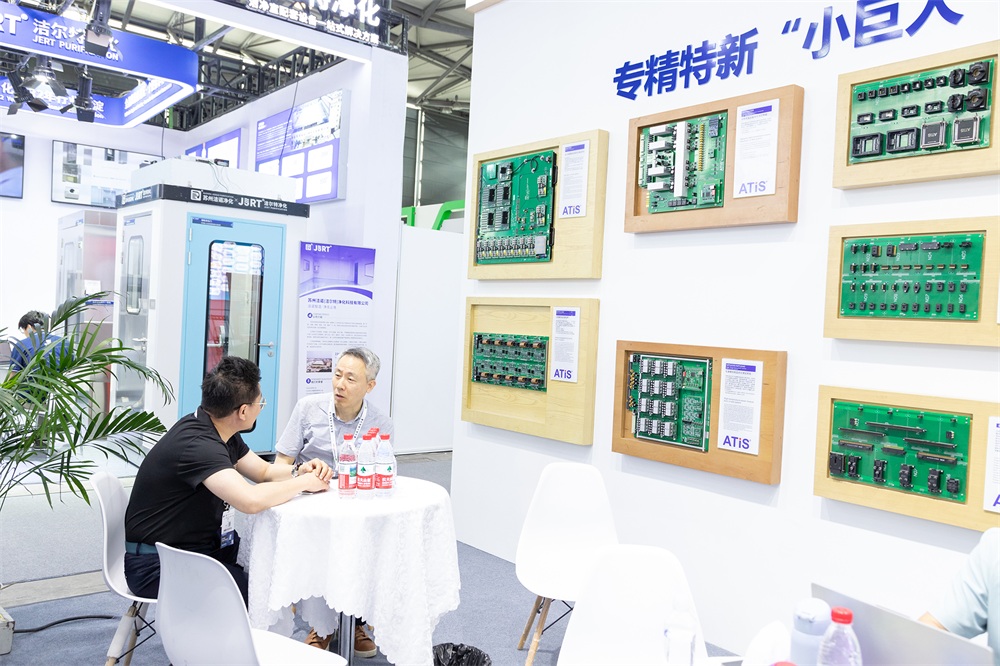
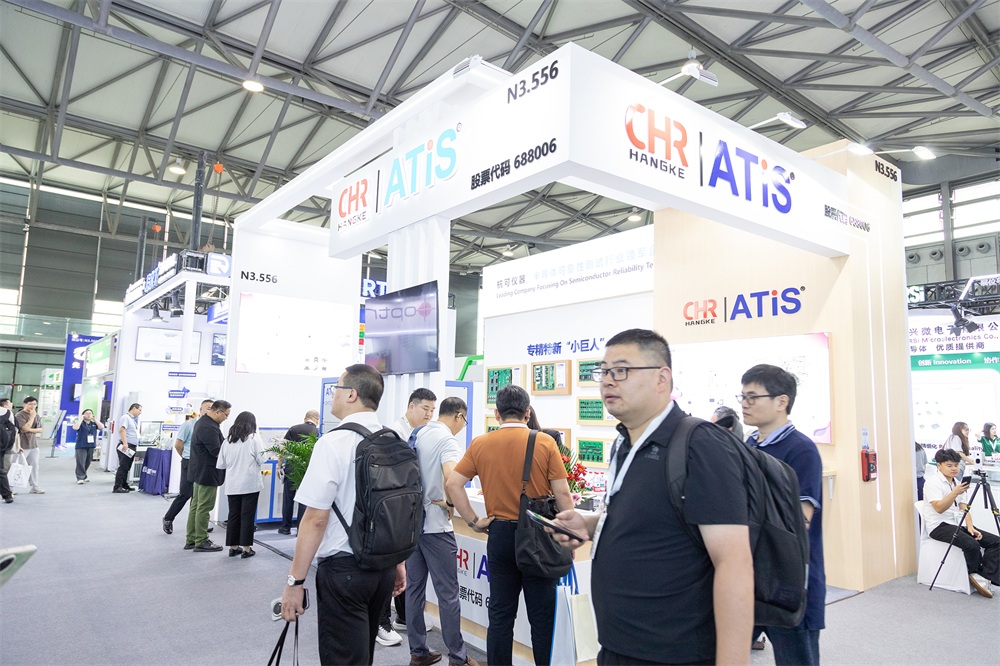
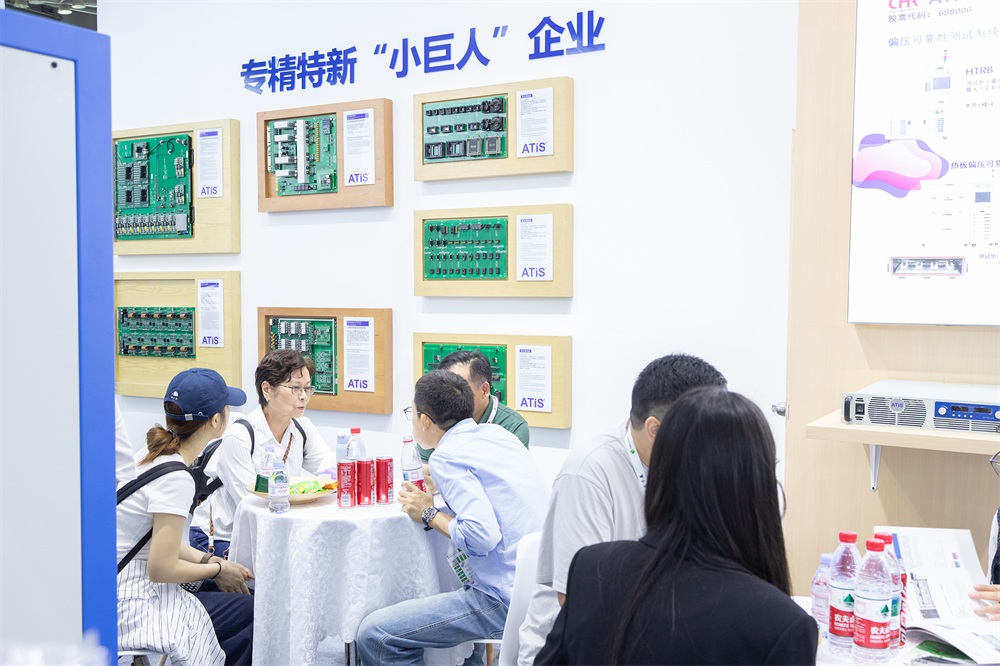
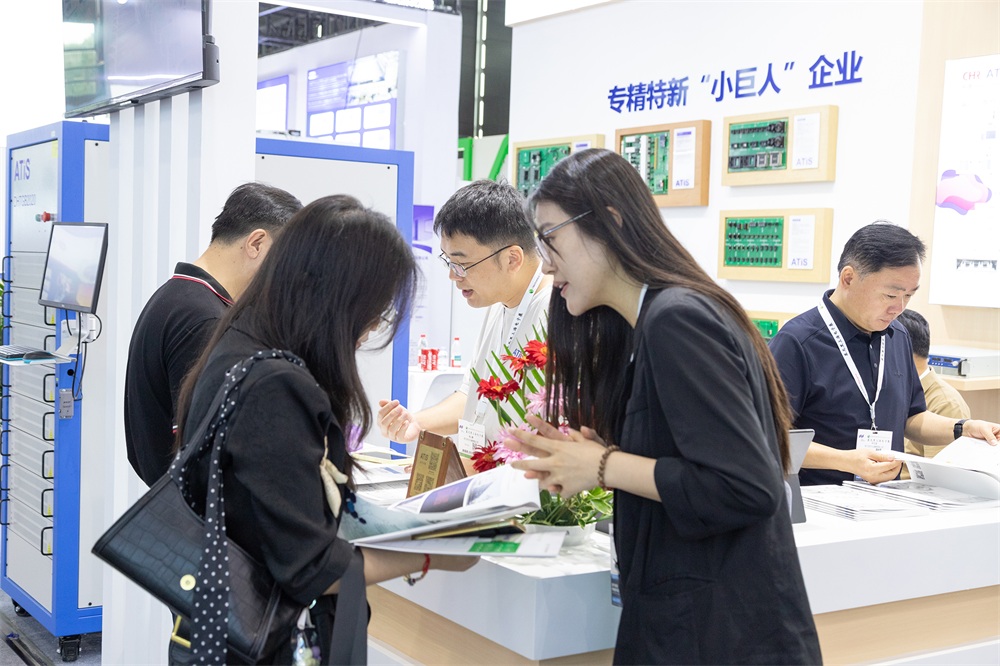
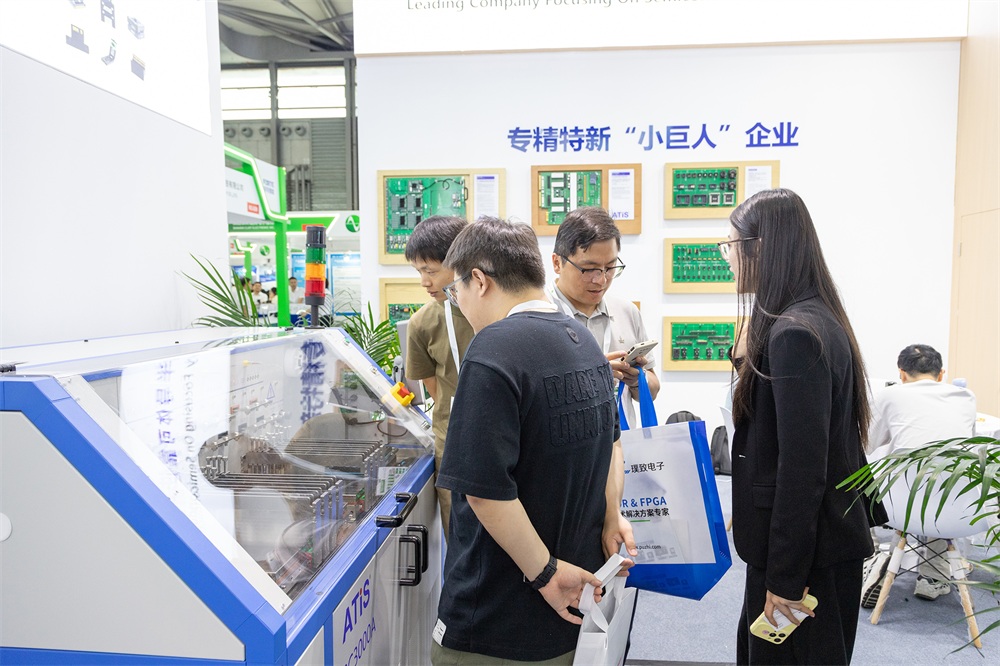
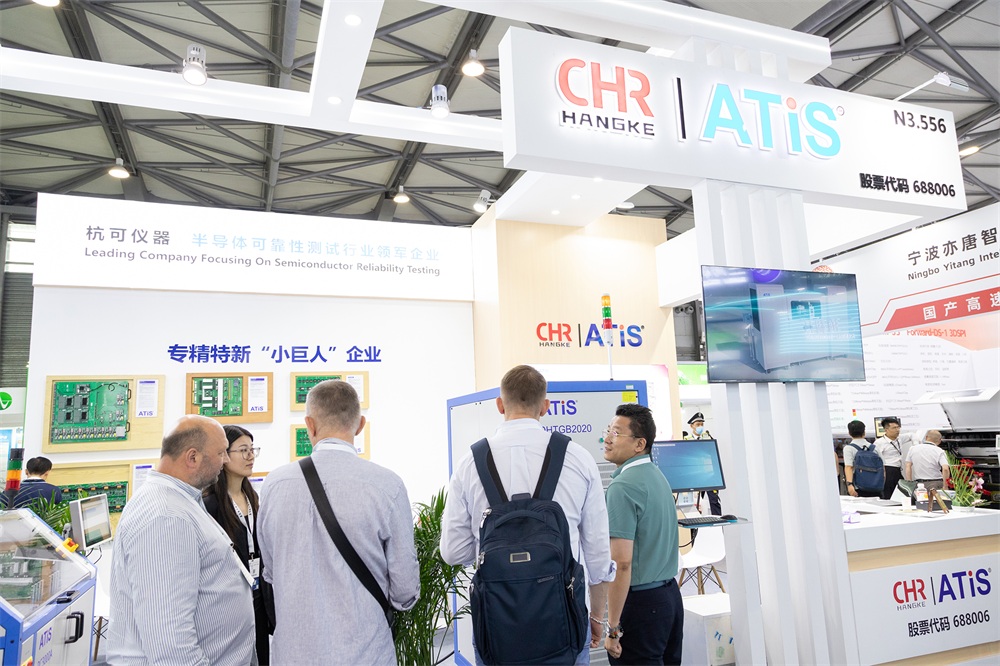
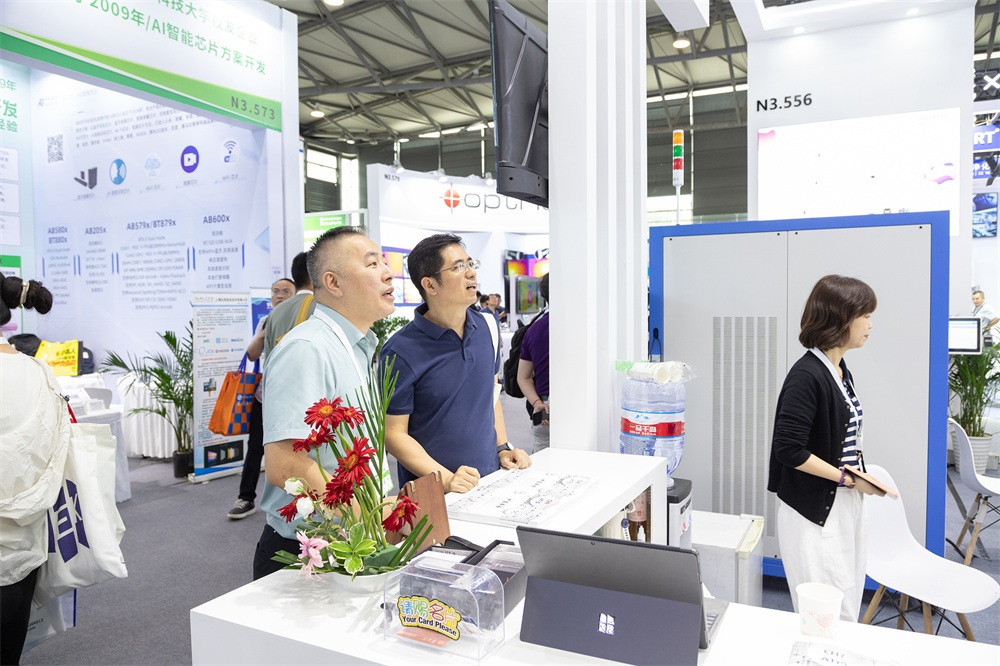
Back to HangKe Instrument’s booth, though not the largest in floor area, the booth boasts an extremely high concentration of cutting-edge technology, drawing an unending stream of clients for consultations and business discussions.
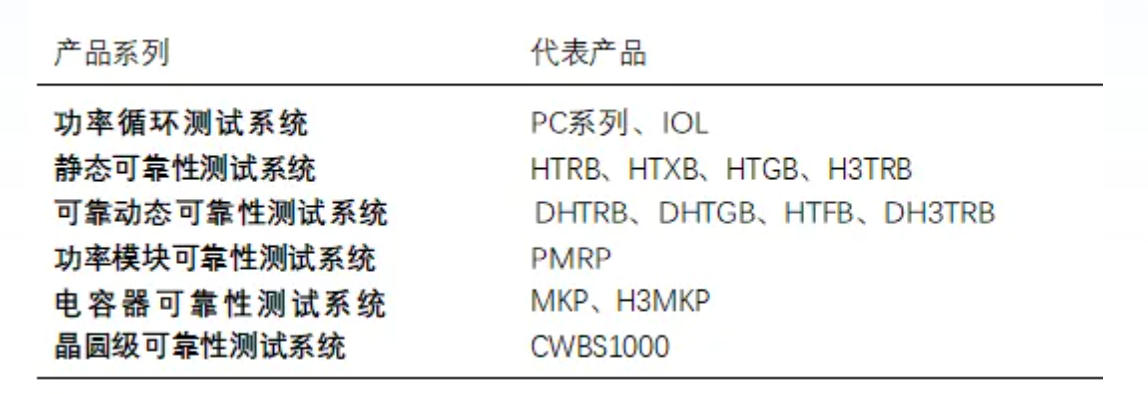
4.1 Star Product Portfolio: Full Lineup of Six Major Product Series on Display
HangKe Instrument showcased its complete lineup of six core product series at the exhibition, covering nearly all key scenarios for semiconductor reliability testing, including solutions tailored for automotive-grade applications, solid-state transformers, AI data centers, photovoltaic energy storage, pre-packaging reliability test systems and automated production lines.
Power Cycling Reliability Test System – Core Equipment for Reliability Qualification of Automotive-Grade SiC/IGBT Modules
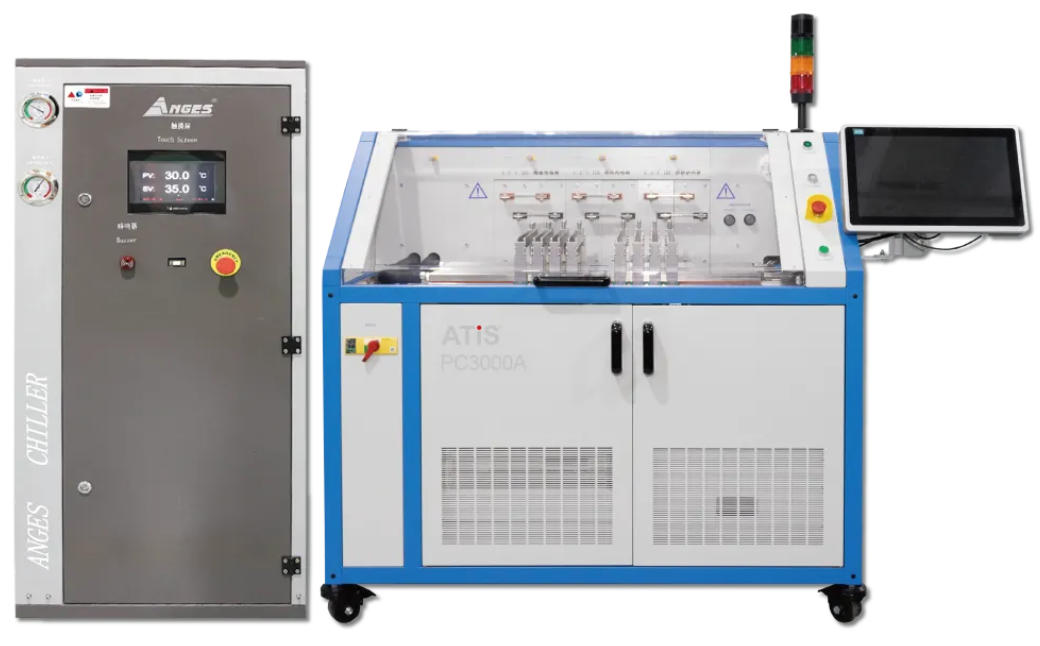
Power Cycling Reliability Test System – Core Equipment for Reliability Qualification of Automotive-Grade SiC/IGBT Modules, supporting dual-mode power cycling tests at second-level and minute-level cycles
4.2 Breakdown of Technical Highlights
Several noteworthy technical features are detailed as follows:
First, the modular design adopted for power device reliability test systems. Customers may flexibly configure the number of channels according to testing requirements, ranging from single-channel up to 64 channels or more. The system supports hot swapping for extremely convenient maintenance and upgrades. “As simple as building with blocks,” a technical staff member gave a vivid analogy. “Clients can expand capacity step by step in line with production plans instead of making a large one-time capital investment.”
Second, ultra-large-scale parallel testing capacity for integrated circuit series. A single unit can test thousands of components simultaneously, delivering remarkable efficiency advantages for mass testing of AI chips and automotive electronic chips. Such systems have been successfully deployed at multiple leading domestic packaging and testing factories.
Third, intelligent upgrade integrating testing and data analysis. The latest generation of ATiS HangKe test systems comes with built-in AI data analysis modules, which can automatically identify abnormal trends, predict component service life, and generate test reports compliant with automotive manufacturers’ standards. “The test equipment of the future will not only perform measurements, but also operate intelligently.”
4.3 On-Site Exchanges: In-Depth Discussions Between Technical Team and Customers
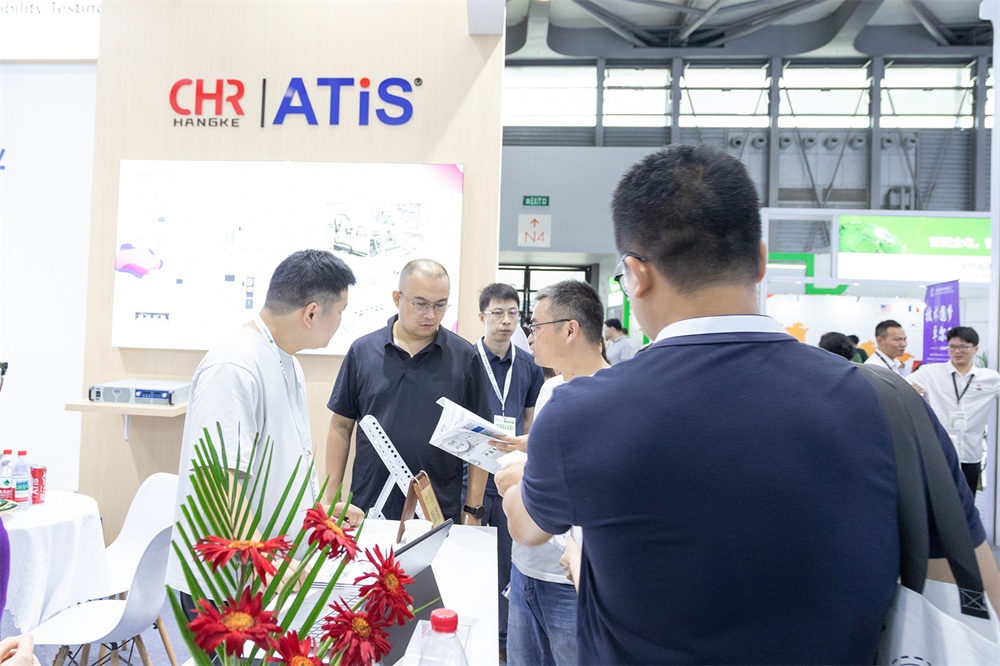
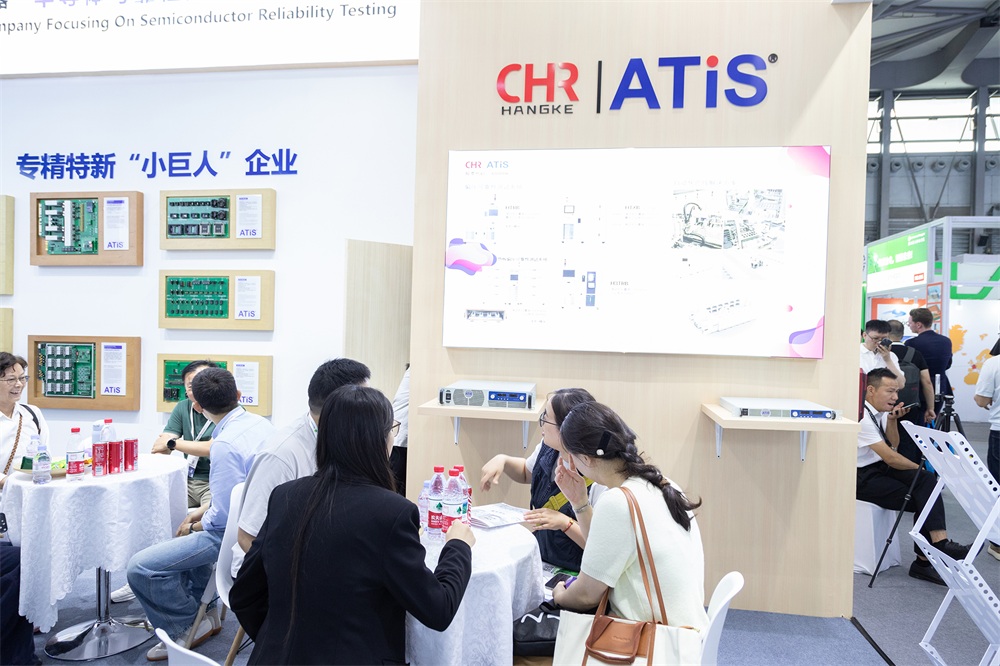
Over the three-day exhibition, HangKe Instrument’s booth welcomed a large number of clients and partners. Among them were manufacturers of new energy vehicle electric drive systems seeking consultation on power cycling testing solutions for SiC modules; procurement directors from leading MLCC enterprises enquiring about capacity configuration for high-temperature burn-in test equipment; and technical experts from research institutes discussing cutting-edge technical routes for wafer-level reliability testing.
HangKe Instrument’s technical team responded to all inquiries with professionalism and enthusiasm. As one on-site client commented: “HangKe Instrument does not merely sell equipment, but delivers complete testing solutions. Their comprehensive support covers equipment selection, production line planning, interpretation of testing standards and data report generation, with impeccable service quality.”
V. Team Spotlight: HangKe Instrument Exhibition Team Takes the Stage
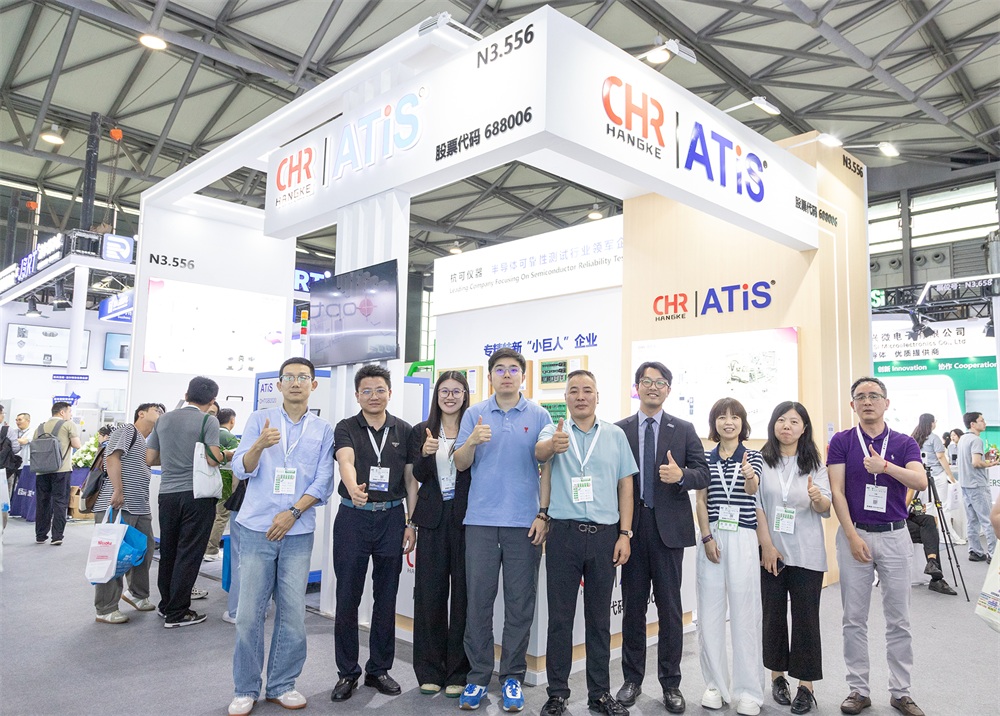
HangKe Instrument assembled a streamlined exhibition team consisting of core personnel from R&D, product sales and after-sales service departments for this event.
“Our goal for this exhibition extends far beyond product display. More importantly, we aim to engage in in-depth exchanges with upstream and downstream partners across the industrial chain, capture customers’ latest testing requirements and grasp emerging industry trends.”
Conclusion: Testing Powers the Semiconductor Future, HangKe Instrument Marches Forward with the Industry
About Zhejiang HangKe Instruments Co., Ltd.
Headquartered in Hangzhou, Zhejiang HangKe Instrument Co., Ltd. (ATiS HangKe) is a high-end equipment manufacturer specializing in semiconductor reliability testing and special power supplies. The company boasts over 400 employees, among whom technical professionals account for more than 60%, with over 70 authorized intellectual property rights to its name. It has been awarded titles including Zhejiang Provincial Specialized, Refined, Unique & Innovative "Little Giant" Enterprise and High-tech Enterprise, and stands as a domestic leader in semiconductor reliability testing equipment.